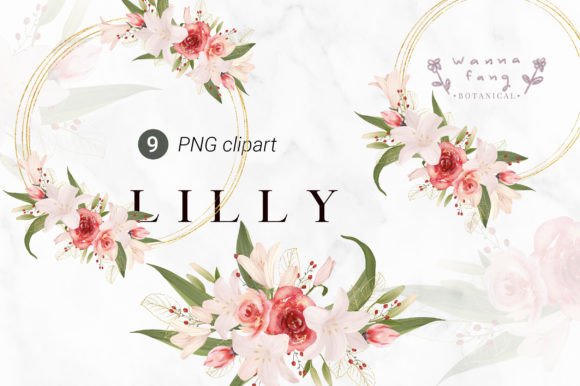
Lilly Flower Wreath and Bouquet Clipart: A Designer’s Real-World Embroidery Review
First Impressions: Soft, Versatile, and Naturally Inviting
The moment I opened the Lilly Flower Wreath and Bouquet Clipart, I was struck by its gentle elegance. This isn’t a bold or flashy design—it’s one that whispers rather than shouts, making it ideal for embroidery projects that aim for a touch of sophistication without overwhelming the fabric. The floral arrangement feels organic, with a loose, hand-drawn aesthetic that avoids looking too digital or mass-produced. The wreath has a balanced composition, and the bouquet clipart offers a slightly more compact alternative, giving embroiderers flexibility depending on the project’s scale.
From a design standpoint, this illustration works best when you want to evoke a sense of warmth and approachability. It’s perfect for baby items, bridal accessories, or boutique-style apparel where a soft floral motif adds charm without competing with other design elements.
Real-Life Use: From Tote Bags to Baby Onesies
I tested the design on a few different materials to get a sense of how it performs in real embroidery situations. Starting with a standard cotton tote bag, the design stitched out cleanly. The satin and fill stitches held up well, with no puckering or thread breaks. The detail in the petals translated nicely, and the overall density felt just right—not too heavy to distort the fabric, but still rich enough to feel like a premium finish.
When I moved to a baby onesie made from a stretchy cotton blend, I had to be more cautious. The stretch in the fabric meant I needed to use a lightweight cutaway stabilizer to keep everything taut. Even then, the delicate lines in the floral illustration required a bit of tension adjustment to prevent distortion. The final result was worth the effort—soft and sweet, exactly what a parent would want for a personalized baby gift.
Where It Shines—and Where You Should Tread Carefully
This design truly excels on flat, smooth fabrics like quilting cotton, linen, or even canvas. It’s a natural fit for tote bags, pillow covers, and aprons where the embroidery can sit cleanly without distortion. It also works beautifully as a standalone motif on sweatshirts or embroidered patches, especially when paired with minimalist text or a coordinating border.
However, there are some limitations to be aware of. On dark fabrics, the light thread colors may need backing or underlay adjustments to prevent the fabric from showing through. On textured or napped materials like towels or fleece, some of the finer details—especially in the leaf veins and petal edges—can get lost. Similarly, on curved surfaces like baseball caps, the wreath shape may need slight scaling or placement adjustments to avoid distortion.
Stitch Clarity and Visual Appeal: A Designer’s Perspective
One of the biggest concerns when choosing embroidery designs for real-world use is how the final stitched version reads from a distance. With the Lilly Flower Wreath and Bouquet Clipart, what you see in the preview is mostly what you get. The outlines are clean, and the color separation between petals and leaves is distinct enough to read clearly without being too rigid.
From a visual storytelling angle, this design adds a touch of handmade warmth that elevates the perceived value of the product. Whether you’re selling embroidered nursery decor or creating custom bridal handkerchiefs, this floral illustration adds a sense of care and craftsmanship. It’s not overly complex, which helps maintain a clean, professional look—especially important for Etsy sellers and small shop owners trying to build brand consistency.
Practical Notes for Embroidery Designers and Sellers
Before jumping into a full production run, here are a few practical tips based on my experience:
- Test on scrap fabric first, especially if you’re working with stretchy or textured materials.
- Check thread color contrast against both light and dark backgrounds to ensure visibility.
- Verify stitch density if you plan to embroider on delicate or thin fabrics.
- Use the right stabilizer—a lightweight tear-away works well for most cottons, while cutaway is better for stretchy knits.
- Review the file for small details like inner corners or fine outlines that might get lost in stitching.
- Confirm licensing before selling finished items or digital embroidery files to avoid legal issues.
Also, consider testing the design in black and white mockups to see how it would look in monochrome embroidery. While the color version is lovely, some customers may prefer a more subdued look, especially for nursery items or formal wear.
Perfect For: Handmade Shops, Custom Gifts, and Boutique Embroidery
If you’re running a small craft business or selling on Etsy, this design has real potential to become a staple in your product lineup. It’s versatile enough to be used on multiple items—personalized baby blankets, embroidered kitchen towels, boutique tote bags, and even wedding favors.
Its gentle aesthetic also makes it a strong contender for digital embroidery file bundles. If you sell embroidery files or design assets, this illustration could be paired with coordinating elements like butterflies, ribbons, or script monograms to create a cohesive collection.
Final Thoughts: A Thoughtful Addition to Your Embroidery Library
The Lilly Flower Wreath and Bouquet Clipart isn’t a showstopper in the traditional sense, but that’s exactly what makes it valuable. It’s a quiet, elegant design that complements a wide range of projects without demanding too much from the embroiderer or the fabric. It’s the kind of design that works well behind the scenes—enhancing your finished product without overshadowing the craftsmanship.
For small business owners, crafters, and creative entrepreneurs, this is a reliable, usable embroidery illustration that can be stitched into multiple product lines. Whether you’re building a digital embroidery file catalog or creating custom embroidered gifts, this floral design earns its place in your toolkit with quiet confidence and real-world usability.