Watercolor Cow Clipart for Crafts and Editorial Design
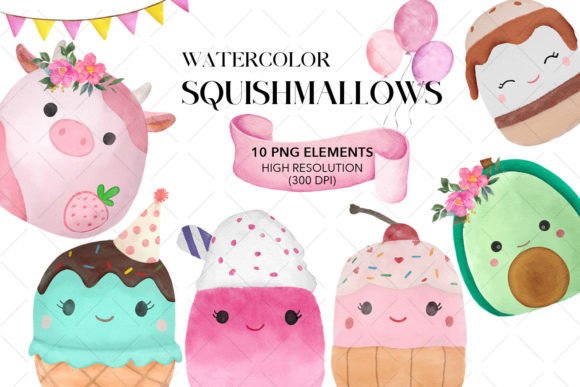
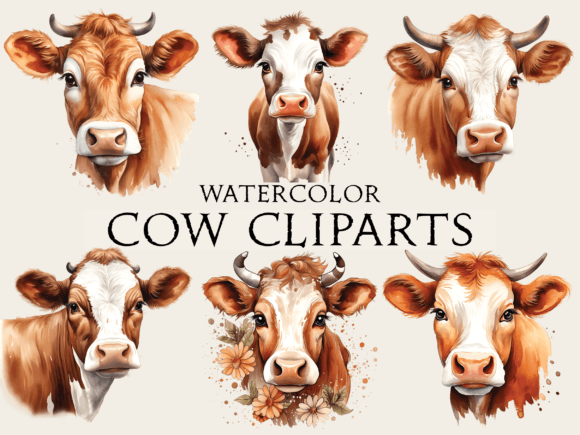
As a digital publisher and blog designer, my first interaction with any new graphic design asset is strictly analytical. Before I even consider the aesthetic appeal, I evaluate how the file will perform within a live content management system. When reviewing this Watercolor Cow Clipart collection, the immediate impression is one of soft, organic warmth that bridges the gap between rustic charm and modern editorial polish. Unlike harsh vector illustrations or overly saturated stock photography, these watercolor elements possess a textured authenticity that signals handcrafted quality to the reader. This specific visual mood is critical for niches involving homesteading, sustainable living, nursery decor, and seasonal Crafts. The artwork does not scream for attention; rather, it invites the user into a narrative of comfort and creativity, establishing an emotional baseline before they read a single word of your copy.
Elevating Blog Graphics and Featured Images
In real publishing workflows, the featured image serves as the primary hook for both search engine results and social feeds. This Watercolor Cow Clipart excels as a focal point for blog graphics because the organic edges of the watercolor medium naturally create negative space. This is a massive advantage for web design and editorial design, as it allows you to overlay headline text without obscuring the subject matter. When designing a website header or a category archive page, the soft transparency of the clipart prevents visual fatigue, ensuring that the layout remains breathable even when multiple posts are listed vertically.
For content creators focusing on affiliate marketing or product reviews, this asset adds a layer of trust. High-gloss, generic stock photos often trigger banner blindness in readers. Conversely, artistic assets like this suggest that the content was curated by a human with taste and intention. Whether you are writing about dairy farming, farmhouse kitchen upgrades, or children’s book recommendations, integrating this clipart into your article headers reinforces a cohesive brand identity that feels personal rather than corporate.
Optimizing Pinterest Pins and Social Media Graphics
Pinterest remains a powerhouse for driving traffic to craft and lifestyle blogs, but the platform demands high-contrast, vertically oriented visuals. This Watercolor Cow Clipart is ideally suited for Pinterest pin creation because the intricate details remain visible even when scaled down to mobile thumbnails. When building pins in a Canva template, I recommend placing the cow illustration against a solid cream or muted sage background to maximize readability. The watercolor texture provides enough visual interest to stop the scroll without competing with your pin title.
Beyond Pinterest, these assets function beautifully across other social media graphics. For Instagram carousels or Facebook ad creatives promoting a digital product, the clipart acts as a consistent branding element. If you are running a content marketing campaign for a farm-to-table guide or a knitting pattern shop, using the same illustrative style across all platforms creates instant recognition. The key here is consistency; treating this clipart as part of a larger visual hierarchy ensures your audience associates this specific artistic style with your unique voice and expertise.
Enhancing Digital Products and Printable Design
One of the most valuable applications for this asset lies in monetization. For creators selling printable design files, worksheets, or planners, commercial licensing is non-negotiable. Assuming proper licensing is secured, this Watercolor Cow Clipart can transform a basic PDF into a premium lead magnet or paid digital guide. In the realm of small business branding, perceived value is everything. A worksheet decorated with professional-grade watercolor art justifies a higher price point than one utilizing free, low-resolution vectors.
Consider the application in educational resources or homeschooling curricula. The gentle, non-threatening nature of the illustration makes it perfect for engaging younger audiences or parents seeking wholesome learning materials. Furthermore, if you offer email newsletter signups, using this clipart in your welcome sequence or subscriber-only updates adds a tactile feel to digital communication. It reminds the subscriber that there is a creative person behind the screen, fostering loyalty and increasing open rates through superior creative design.
Strategic Placement and Visual Hierarchy
While versatile, this asset requires strategic placement to maintain editorial integrity. It works best in hero sections, sidebar widgets, and as decorative dividers between long-form content sections. However, publishers must exercise caution when using it in dense informational tables or highly technical tutorials. The whimsical nature of the cow clipart may clash with serious financial data or medical advice. Additionally, avoid placing detailed watercolor elements on busy photographic backgrounds; the loss of contrast will degrade the user experience and harm accessibility standards.
When incorporating this into a modern design framework, balance is essential. Pair the organic shapes of the cow with clean, structured typography. A bold sans-serif font provides necessary grounding, while a delicate script font can echo the hand-painted feel of the illustration. Always test your layouts in grayscale to ensure the image holds up without color reliance. This step is vital for maintaining strong visual hierarchy and ensuring that the graphic supports the content rather than distracting from it.
Publisher Workflow and Technical Best Practices
Before deploying this Watercolor Cow Clipart to a live site, run through a rigorous technical checklist. First, verify the file resolution. While high DPI is great for print, web performance suffers with massive files. Always compress your design assets using tools like TinyPNG or ShortPixel to reduce load times without sacrificing visible quality. Slow sites kill conversion rates, so optimizing this digital download for web speed is just as important as its aesthetic appeal.
- Licensing Verification: Before using this on monetized blogs, affiliate pages, or products for sale, confirm the commercial license terms explicitly. Never assume personal use rights extend to business applications.
- Mobile Responsiveness: Preview the clipart on actual mobile devices, not just browser resizing tools. Ensure small details do not turn into muddy blobs on smaller screens.
- Typography Testing: Test the asset beside various font families. Ensure text overlays have sufficient contrast ratios (WCAG AA standard minimum) for accessibility.
- Contextual Relevance: Audit the surrounding content. Does the playful cow match the tone of the article? Dissonance between image and text increases bounce rates.
- File Format Management: Use PNGs for transparent backgrounds in headers and overlays. Reserve JPEGs only for full-bleed backgrounds where transparency isn't required.
Ultimately, successful affiliate marketing and content publishing rely on the seamless integration of art and utility. This Watercolor Cow Clipart offers a distinct opportunity to soften the digital edge of your website while maintaining professional standards. By treating it as a functional component of your editorial design strategy rather than mere decoration, you enhance reader engagement, strengthen brand recall, and create a more inviting environment for your audience. Whether sourced from a creative marketplace or created in-house, the thoughtful application of such assets distinguishes amateur blogs from established digital publications.