Watercolor Lizard Cliparts for Crafts and Digital Sales
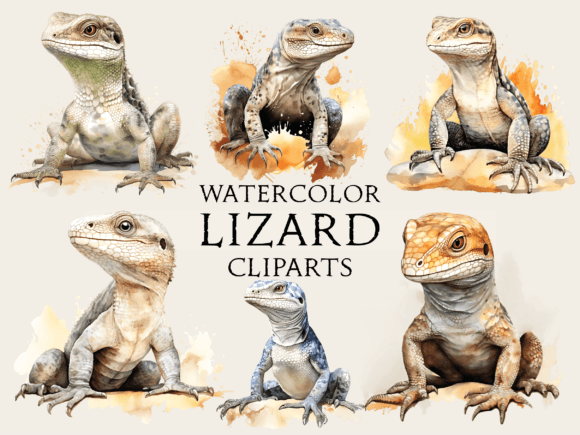
When evaluating a new graphic design asset for my online shop, I always look beyond the initial aesthetic appeal to determine its true commercial viability. My latest review focuses on Watercolor Lizard Cliparts, a niche illustration set that sits at the intersection of nature-inspired art and trending reptile aesthetics. As a digital product creator preparing a new collection for Etsy and Creative Fabrica, my first impression was that this asset leans heavily into a soft, organic mood rather than a cartoonish or overly scientific vibe. The watercolor texture suggests a handmade quality that resonates deeply with buyers looking for authentic, artisanal feels in their crafts. This specific visual personality targets a distinct audience: terrarium enthusiasts, biology teachers, nursery decorators seeking gender-neutral themes, and cottagecore content creators. It is not a generic animal clipart; it has a gentle elegance that distinguishes it from bold, graphic vectors typically used in streetwear.
Commercial Viability Across Product Categories
In testing these assets for real-world application, versatility is key. A successful digital download must serve multiple customer needs without requiring extensive editing. For print-on-demand sellers, these Watercolor Lizard Cliparts show significant promise for apparel and home goods. The soft edges and natural color blending translate beautifully to t-shirt designs and mug designs, particularly on cream or heather gray bases where the watercolor transparency can mimic actual paint. Unlike harsh vector lines, the painted edges allow for seamless integration into sublimation design projects like tumbler wraps and tote bags. I found that the lizard illustrations work exceptionally well as focal points for nursery wall art prints, especially when paired with botanical elements to create a cohesive jungle or garden theme.
For Cricut users and crafters, the utility depends heavily on file preparation. While the PNG design files are excellent for printable stickers and planner accessories, the SVG design potential requires scrutiny. Watercolor textures often contain semi-transparent pixels that do not cut cleanly on vinyl machines. However, if the bundle includes solid silhouette versions or outlined cut files specifically optimized for cutting, this asset becomes a powerhouse for sticker design and scrapbooking kits. Without those clean cut lines, I would recommend marketing this primarily as a digital paper pack element or a Canva template component rather than a standalone vinyl cutting file. For Canva template sellers, these lizards add immediate value to social media graphics and invitation templates aimed at pet shops, zoos, or educational brands.
Evaluating Listing Presentation and Thumbnail Appeal
The success of any Etsy product relies on click-through rate, which is driven by effective product mockup presentation. When reviewing Watercolor Lizard Cliparts for my own shop listings, I tested how they appear in thumbnail previews. The intricate details of watercolor painting can sometimes get lost when scaled down to marketplace search results. To mitigate this, I recommend using large, zoomed-in previews that highlight the brushwork texture alongside full-collection overviews. Visual hierarchy is critical here; the lizard should be the hero element, uncluttered by excessive text or background noise. High-quality mockups showing the clipart applied to real products—like a framed print in a nursery or a decal on a laptop—help customers visualize the end result, significantly boosting perceived value.
Brand consistency also plays a role in how this asset performs. If your shop specializes in bright, neon pop-art, these muted, organic illustrations might confuse your existing customer base. However, for small business branding focused on sustainability, education, or handmade goods, this style reinforces a trustworthy, professional identity. When creating listing images, ensure you display the clipart on both white and dark backgrounds. Some watercolor scans have faint artifacts or low contrast that only become visible against darker colors. Identifying these issues before publishing prevents negative reviews regarding file quality. Additionally, showcasing the asset within a design bundle context can increase average order value, as buyers often prefer comprehensive themed collections over single-element purchases.
Strategic Placement and Usage Limitations
Understanding where an asset excels is just as important as knowing its limitations. These Watercolor Lizard Cliparts perform best in medium-to-large scale applications where the texture remains legible. They are ideal for greeting cards, journal covers, blog headers, and packaging design for organic skincare or pet treats. The artistic style supports storytelling, making them perfect for content creators who need unique visuals for articles about reptile care or nature conservation. Conversely, caution is needed when applying these to tiny sticker details or complex, crowded layouts. The soft nature of watercolor means fine details like toes or scales may blur at small sizes, rendering the image muddy in print. Furthermore, avoid placing these illustrations on busy photographic backgrounds unless they have been properly isolated with high-quality transparency; otherwise, the design will compete visually and lose impact.
Another area requiring careful consideration is text-heavy templates. Because watercolor lizards are inherently decorative and detailed, they can clash with dense paragraphs or intricate typography. They function best as accent pieces or borders rather than background textures behind readable text. For commercial design projects involving merchandise, always verify the resolution. Standard web-resolution files are insufficient for physical products; ensure you are working with 300 DPI files at the intended print size. If the source files are smaller, upscale them using AI tools or limit their use to digital-only products like social media posts or website banners to maintain professional standards.
Essential Pre-Launch Checklist for Sellers
Before adding Watercolor Lizard Cliparts to my shop, I run through a rigorous quality assurance process to protect my business reputation and ensure customer satisfaction. First, I verify the commercial license terms explicitly. Just because a file is available for purchase does not automatically grant rights to sell finished products or include the raw asset in a new design bundle. Clarifying usage rights prevents legal headaches down the line. Next, I test print colors on my specific printer and paper stock. Screen colors often differ from CMYK output, especially with subtle watercolor gradients. Adjusting color profiles beforehand ensures the printed result matches the digital preview shown in the listing.
- File Organization: Group files logically by pose, color variation, or format (SVG vs. PNG) so customers can navigate the download easily.
- Font Pairing Testing: Test the clipart with various typefaces. Serif fonts enhance the vintage, academic feel, while handwritten scripts complement the organic, playful nature of the lizard.
- Transparency Check: Inspect PNG edges for jagged pixels or white halos. Clean masking is non-negotiable for professional digital assets.
- Mockup Validation: Create at least three distinct mockup styles (e.g., flat lay, lifestyle, digital frame) to demonstrate versatility to potential buyers.
- Keyword Alignment: Ensure tags accurately reflect the specific lizard species and art style to attract targeted traffic rather than generic searches.
Finally, consider the competitive landscape. Search for similar reptile cliparts on your chosen creative marketplace to identify gaps. If most competitors offer cartoon geckos, positioning your Watercolor Lizard Cliparts as "realistic botanical illustration" or "vintage science art" creates a unique selling proposition. By treating this graphic design asset not just as a pretty picture but as a strategic inventory item, you transform a simple download into a sustainable revenue stream. Whether you are building a niche empire in herpetology-themed crafts or expanding a general stationery shop, thoughtful evaluation and professional presentation are what separate hobbyists from successful digital entrepreneurs.